
Geena Davis Young: Early Life, Modeling Career, Breakthrough Roles, and Rise to Hollywood Fame
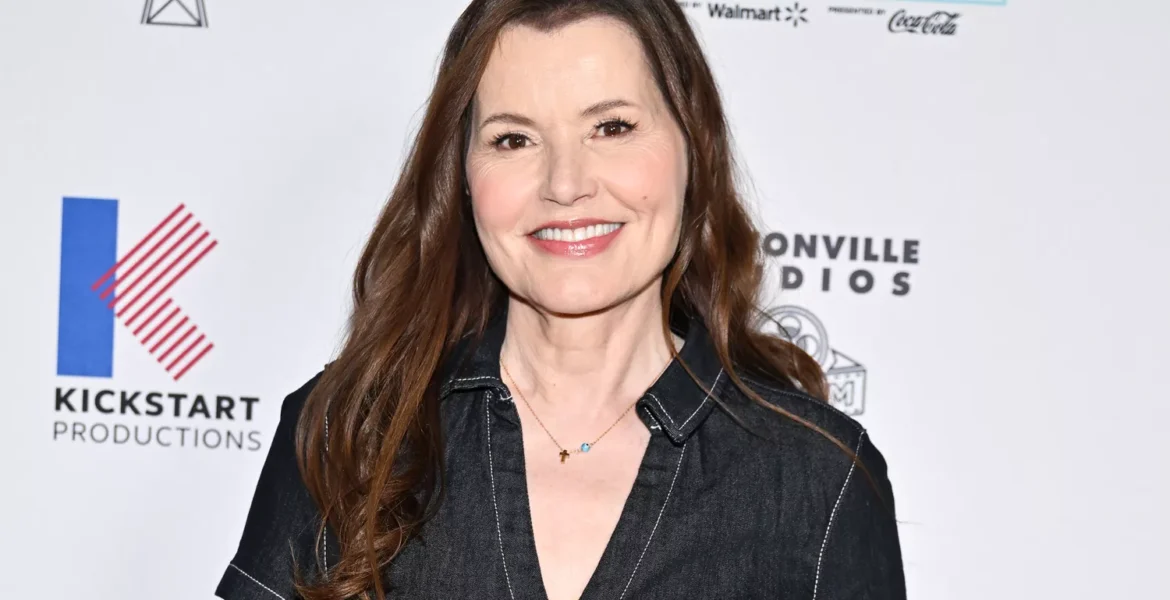
Before becoming an acclaimed Hollywood star, Geena Davis young years reveal a fascinating journey from Wareham, Massachusetts, to international fame. Born into a family that valued education and music, Davis developed interests that went far beyond acting. Her unusual height and striking appearance eventually helped her enter modeling, creating an unexpected path toward the entertainment industry. During the 1980s and early 1990s, she transformed from a promising newcomer into an award-winning actress known for memorable performances and strong female characters. This guide explores Geena Davis’s early life, education, modeling career, first acting opportunities, breakthrough films, and the experiences that helped shape her remarkable Hollywood career.
| Geena Davis Young Overview | Details |
|---|---|
| Full Name | Virginia Elizabeth Davis |
| Born | January 21, 1956 |
| Birthplace | Wareham, Massachusetts, USA |
| Nationality | American |
| Profession | Actress, Producer, Activist |
| Early Career | Modeling and Acting |
| Height | About 6 feet |
| Major Breakthrough | The Fly and Beetlejuice |
| Academy Award | Best Supporting Actress for The Accidental Tourist |
| Known For | Thelma & Louise, A League of Their Own, Stuart Little |
Who Was Geena Davis When She Was Young?
Geena Davis was born Virginia Elizabeth Davis on January 21, 1956, in Wareham, Massachusetts. Growing up in New England, she developed a strong interest in music and education while attending school. Her early personality was shaped by curiosity, independence, and a willingness to explore interests outside conventional expectations.
Long before Hollywood recognized her talent, Davis was an exceptionally tall young woman who stood out physically. Her height eventually became an advantage in modeling, although she later proved that her abilities extended far beyond appearance and fashion.
Early Family Life
Davis grew up in a family that encouraged learning and creativity. Her father, William F. Davis, worked as a civil engineer, while her mother, Lucille, was a teacher’s assistant. This supportive environment helped encourage her academic interests and confidence.
Education and Interests
As a young woman, Davis attended Wareham High School before studying at Boston University. She graduated with a degree in drama in 1979, giving her formal training that would later support her transition into professional acting.
Geena Davis’s Young Modeling Career
After completing college, Davis moved toward modeling before establishing herself as an actress. Her tall frame and distinctive appearance made her particularly noticeable within the fashion industry, where she worked as a model in the early stages of her professional career.
Modeling gave Davis valuable exposure to professional photography, public appearances, and the entertainment business. More importantly, it helped her become comfortable performing in front of cameras, experience that later proved useful when she began auditioning for film and television roles.
How Modeling Helped Her Acting Career
Davis’s modeling background introduced her to people working across entertainment and provided practical experience in front of the camera. However, she never treated modeling as the final destination; acting remained the career she ultimately pursued.
Moving From Fashion to Film
Her transition into acting came after modeling opportunities introduced her to the entertainment world. Davis began pursuing screen roles and gradually moved away from fashion, determined to establish herself based on performance rather than appearance alone.
Geena Davis’s First Acting Roles
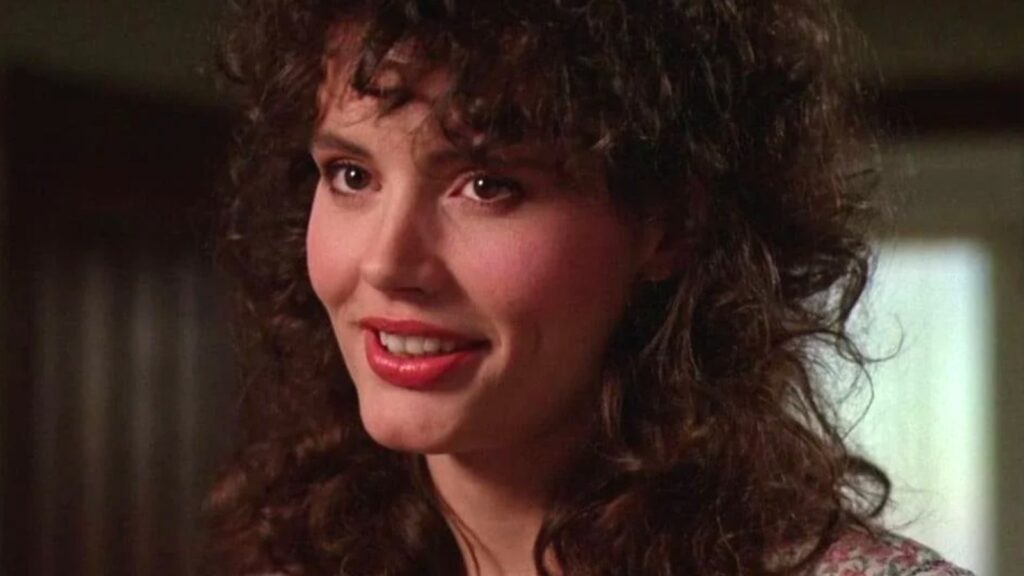
Davis began her professional acting career in the early 1980s, appearing in television and film projects while developing her screen presence. Her early work gave her opportunities to demonstrate a natural combination of intelligence, humor, and understated charisma.
Her first roles were relatively small compared with the major parts that followed. Still, they provided valuable experience and helped casting directors recognize her potential as an actress capable of handling both comedy and drama.
Early Television Appearance
One of Davis’s early television opportunities came with the comedy series Buffalo Bill. The role introduced her to a wider audience and helped establish her presence in Hollywood during the early 1980s.
First Major Film Opportunities
Davis soon began appearing in feature films, gradually moving into more substantial roles. Her early performances showed versatility, preparing her for the breakthrough projects that would eventually turn her into a major Hollywood star.
Geena Davis’s Breakthrough in Hollywood
Geena Davis’s career gained significant momentum during the 1980s when she began landing roles in increasingly visible films. Her natural comedic timing, intelligence, and distinctive screen presence made her stand out among emerging actresses, allowing her to move comfortably between comedy, drama, and fantasy.
Her performances in films such as The Fly and Beetlejuice helped audiences recognize her versatility. Rather than being limited to the glamorous roles often offered to young actresses, Davis demonstrated that she could bring emotional depth and personality to complex characters.
The Fly and a Major Career Step
In David Cronenberg’s 1986 science-fiction horror film The Fly, Davis played Veronica Quaife opposite Jeff Goldblum. The movie became an important early success and showed that she could handle darker, emotionally demanding material.
Her performance helped establish Davis as a serious actress rather than simply a newcomer with a modeling background. The role also marked an important professional connection with Goldblum, whom she later married.
Beetlejuice Brings Wider Recognition
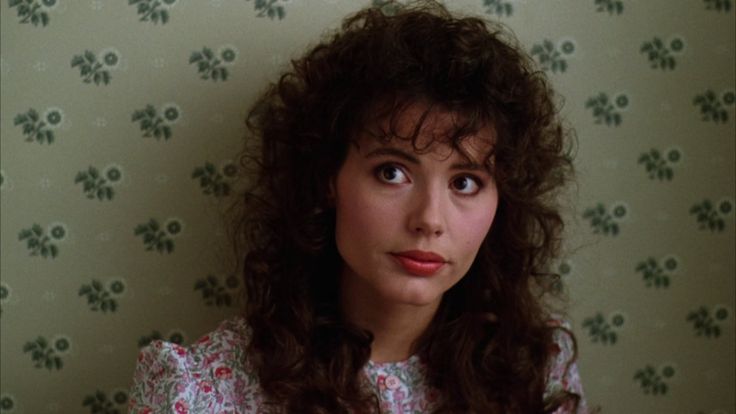
Davis appeared as Barbara Maitland in Tim Burton’s Beetlejuice in 1988. The imaginative comedy-fantasy became a major cultural favorite, and her performance helped introduce her to an even broader international audience.
Geena Davis and Her Academy Award Breakthrough
A major turning point came with The Accidental Tourist, the 1988 drama directed by Lawrence Kasdan. Davis played Muriel Pritchett, a dog trainer whose relationship with William Hurt’s character becomes central to the story.
Her performance earned the Academy Award for Best Supporting Actress, confirming that Davis had developed from a promising young performer into an accomplished Hollywood actress. The Oscar was one of the defining achievements of her early career.
Winning the Oscar
Davis’s Academy Award victory was especially significant because it came relatively early in her film career. It demonstrated that her success was based on acting ability, not simply her distinctive appearance or previous modeling work.
What the Award Changed
The Oscar increased Davis’s standing within Hollywood and gave her greater opportunities to choose ambitious projects. Her career increasingly moved toward leading roles, allowing her to portray women with greater independence, complexity, and emotional range.
Geena Davis Young: Career Timeline
| Year | Career Milestone |
|---|---|
| 1956 | Born in Wareham, Massachusetts |
| 1970s | Studied drama at Boston University |
| Late 1970s | Began professional modeling |
| 1982 | Made early television appearances |
| 1986 | Starred in The Fly |
| 1988 | Appeared in Beetlejuice |
| 1989 | Won an Academy Award for The Accidental Tourist |
| 1991 | Starred in Thelma & Louise |
| 1992 | Led A League of Their Own |
Geena Davis in Thelma & Louise
One of the most important chapters of Davis’s young Hollywood career came with Thelma & Louise in 1991. She played Thelma alongside Susan Sarandon, portraying a woman whose road trip becomes a transformative journey toward independence and self-discovery.
The film became a landmark in American cinema and helped reshape conversations about female characters in mainstream Hollywood. Davis’s performance earned her an Academy Award nomination for Best Actress and further established her as a major leading star.
A Defining Female Role
Thelma begins the film as an inexperienced and sheltered woman, but her experiences gradually transform her confidence and sense of independence. Davis captured that progression convincingly, making the character’s development one of the film’s most memorable elements.
Impact on Her Career
Following Thelma & Louise, Davis was no longer simply viewed as a talented supporting actress. She had become one of Hollywood’s most recognizable leading women, capable of carrying major commercial and critically respected productions.
Geena Davis’s Rise as a Leading Hollywood Star
After the success of Thelma & Louise, Geena Davis entered one of the strongest periods of her acting career. She took on major roles that showcased comedy, drama, romance, and sports, proving she could move between genres without losing her distinctive screen presence.
Her career during the early 1990s also challenged traditional ideas about female movie stars. Davis frequently portrayed intelligent, capable women who were not simply supporting characters, helping make her one of the most recognizable actresses of her generation.
A League of Their Own
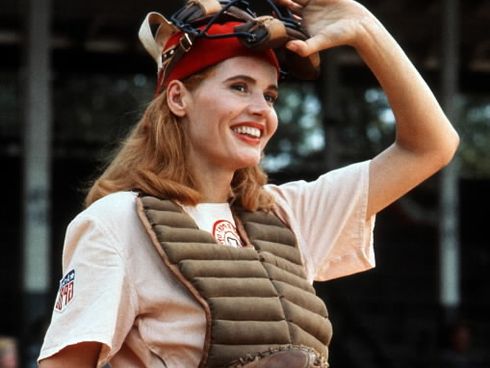
In 1992, Davis starred as Dottie Hinson in A League of Their Own, the popular baseball comedy-drama directed by Penny Marshall. Her performance combined athleticism, humor, and emotional depth, making Dottie one of her most memorable characters.
The film became a major box-office success and remains a beloved sports movie. Davis’s ability to convincingly portray an elite baseball player also reflected the physical preparation she brought to demanding roles.
The Long Kiss Goodnight
Davis later demonstrated her range again in The Long Kiss Goodnight, a 1996 action thriller in which she played Samantha Caine. The physically demanding role showed that she could successfully lead an action film while maintaining the emotional complexity expected from her dramatic performances.
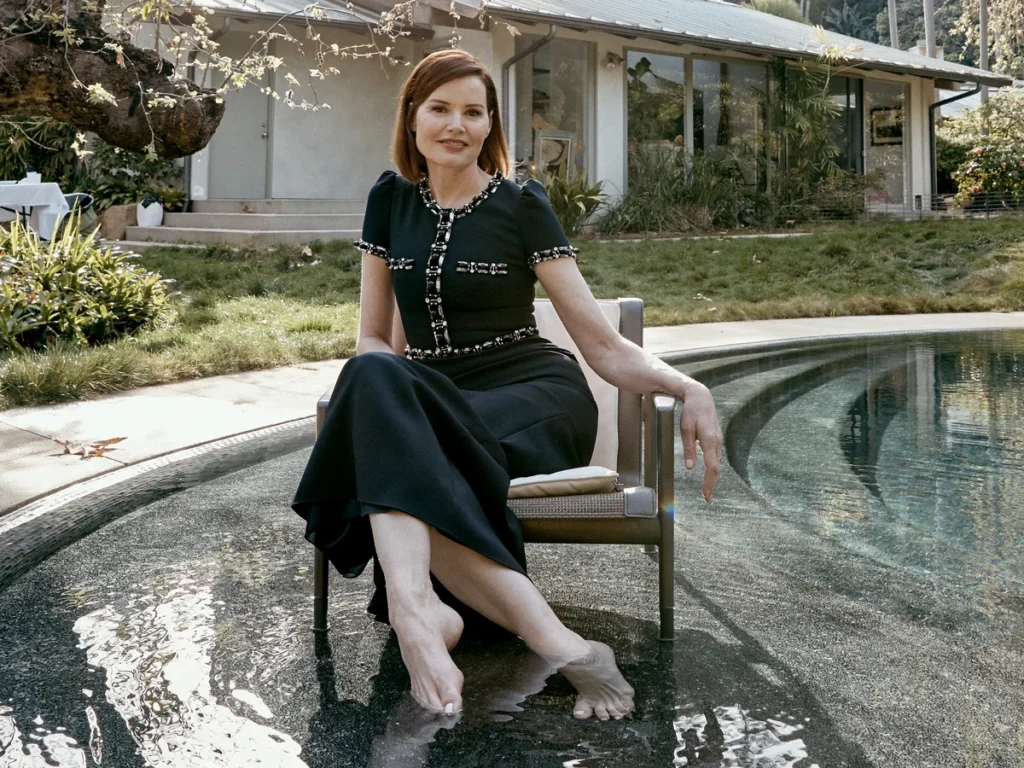
Geena Davis’s Impact on Women in Film
Davis’s importance extends beyond her individual performances. Throughout her career, she became increasingly interested in how women and girls are represented in entertainment, eventually turning her personal experiences in Hollywood into broader advocacy work.
Her work helped draw attention to gender representation in film and television. Through the Geena Davis Institute on Gender in Media, she has supported research and initiatives designed to encourage more balanced representation of women and girls in entertainment.
Using Hollywood Experience for Change
Rather than separating her acting career from advocacy, Davis used her industry experience to examine how entertainment influences cultural expectations. Her efforts have made representation an important part of her public legacy.
A Lasting Cultural Influence
Films such as Thelma & Louise and A League of Their Own remain important examples of female-led storytelling. Davis’s performances helped demonstrate that women could lead commercially successful films while portraying characters with ambition, independence, humor, and complexity.
Geena Davis Young Career at a Glance
| Category | Details |
|---|---|
| Early Interest | Music, education, and drama |
| College | Boston University |
| Early Professional Work | Modeling |
| First Major Film Success | The Fly |
| Popular Comedy | Beetlejuice |
| Oscar-Winning Film | The Accidental Tourist |
| Landmark Role | Thelma in Thelma & Louise |
| Sports Film | A League of Their Own |
| Action Role | The Long Kiss Goodnight |
| Advocacy | Gender representation in media |
Frequently Asked Questions
What was Geena Davis like when she was young?
Geena Davis was known for her tall appearance, intelligence, and interest in music and drama.
She later studied drama and began working as a model before becoming an actress.
How did Geena Davis start her career?
She began professionally through modeling before moving into television and film.
Her early screen roles gradually led to bigger opportunities in Hollywood.
What was Geena Davis’s breakthrough movie?
The Fly was an important early breakthrough for Davis.
Her later roles in Beetlejuice and The Accidental Tourist expanded her reputation.
Did Geena Davis win an Oscar?
Yes, Davis won the Academy Award for Best Supporting Actress.
She received the award for her performance in The Accidental Tourist.
Why is Geena Davis important to Hollywood?
Davis became known for portraying strong, complex female characters in major films.
She also became a prominent advocate for better gender representation in entertainment.
Conclusion
The story of Geena Davis young reveals how a tall, talented woman from Massachusetts transformed an unexpected modeling opportunity into an extraordinary Hollywood career. From early television work and The Fly to Beetlejuice, The Accidental Tourist, Thelma & Louise, and A League of Their Own, her rise was marked by versatility and determination. Her early success eventually became the foundation for a larger legacy that includes acting, producing, and advocacy for women in entertainment. Decades later, her most memorable performances continue to influence audiences and demonstrate why Geena Davis remains such an important figure in American cinema.
Also Read: Adela Noriega
You may also like
Elton John Songs: 25 Greatest Hits and Timeless Classics
Harry Styles Posters: 15 Stylish Ideas for the Perfect Fan Wall

Leave a Reply