
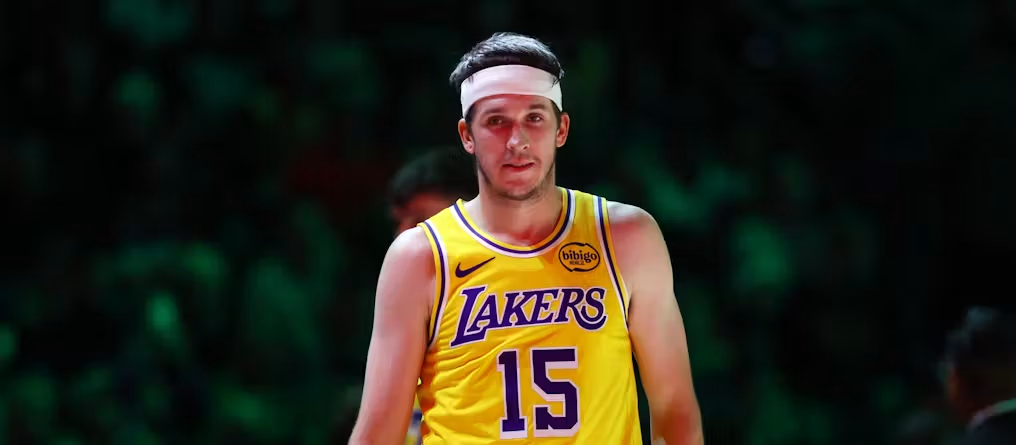
The situation around Austin Reaves injury has become a major concern for Los Angeles Lakers fans as the team navigates a crucial NBA stretch. The oblique muscle injury, his recovery timeline, and the overall Lakers rotation impact are now key talking points across sports media in the USA and UK. Reaves has been an important scoring and playmaking option, and any extended absence changes team balance significantly. Medical staff updates and coaching decisions are being closely watched. This article breaks down the latest information, possible return date, and how the Lakers adjust without him during the season. Stay updated for ongoing developments and official team announcements from trusted sources daily.
Overview of Austin Reaves Injury
Austin Reaves injury has raised serious concerns for the Los Angeles Lakers as they push through a demanding NBA schedule. The guard’s oblique muscle issue affects his shooting rhythm, defensive movement, and overall conditioning, making it difficult for him to perform at his usual consistent level.
Medical evaluations suggest that oblique injuries require careful rest and gradual return to avoid setbacks. For the Lakers, managing Austin Reaves injury is crucial because rushing recovery could risk long-term performance issues and weaken their playoff competitiveness. Coaching staff are prioritizing health over short-term game availability decisions.
Austin Reaves Injury Overview Table
| Category | Details |
|---|---|
| Player | Austin Reaves |
| Team | Los Angeles Lakers |
| Injury Type | Oblique Muscle Strain |
| Cause | In-game contact during drive to basket |
| Severity | Mild to Moderate (reported) |
| Affected Area | Core / abdominal muscles |
| Symptoms | Pain, limited twisting & shooting motion |
| Treatment | Rest, physiotherapy, gradual rehab |
| Expected Recovery | 2–4 weeks (depending on grade) |
| Status | Day-to-day / under medical evaluation |
| Return Condition | Full fitness clearance required |
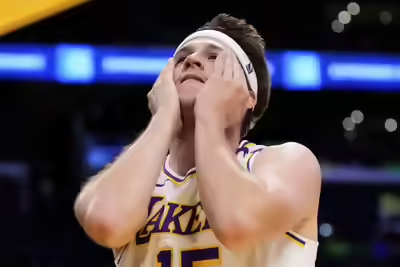
How the Injury Happened
Austin Reaves sustained his injury during a high-intensity NBA game when contact in the midsection area caused immediate discomfort. The incident occurred while driving to the basket, forcing him to exit play early and undergo medical evaluation for potential muscle strain severity.
Replays and analyst breakdowns show how quickly the moment shifted momentum in the game. Such injuries are common in the NBA due to physical drives and contact-heavy offensive plays, especially for guards like Reaves who rely on agility and core strength.
Medical Diagnosis and Severity
Austin Reaves’ diagnosis centers on an oblique muscle strain, which affects the abdominal and core region essential for twisting, shooting, and lateral movement in basketball. Such injuries vary in severity depending on tissue damage and pain response during activity. Medical imaging helps determine the exact grade of strain.
Doctors typically classify oblique injuries into mild, moderate, or severe grades, each requiring different recovery timelines. Treatment often includes rest, physiotherapy, and gradual strengthening exercises aimed at restoring full core stability and preventing re-injury risks. Lakers medical staff monitor progress daily to adjust recovery plans safely.
Expected Recovery Timeline
Recovery from an Austin Reaves injury depends heavily on strain severity and how his body responds to rehabilitation work. Mild cases may take one to three weeks, while moderate strains can extend beyond a month before full return to competitive play is possible.
The Lakers medical team is expected to take a cautious approach to avoid setbacks. NBA teams often prioritize long-term availability over short-term returns, especially during playoff races where fitness consistency matters more than rushing a key guard back too early.
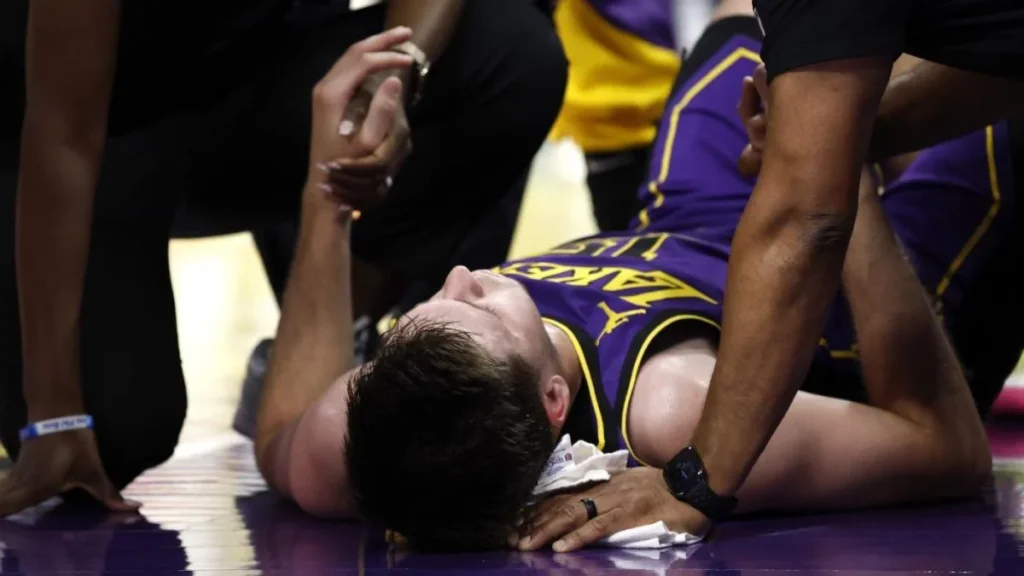
Impact on Los Angeles Lakers
The Austin Reaves injury significantly affects the Lakers’ offensive structure and backcourt depth. Reaves contributes as a secondary ball handler, shot creator, and reliable scorer, meaning his absence increases pressure on other perimeter players.
Without him, the Lakers must adjust rotations and rely more heavily on primary stars. Defensive spacing and second-unit scoring also become challenges, forcing coaching staff to redesign offensive sets to maintain efficiency during his recovery period.
Leadership Adjustments in Rotation
With Reaves sidelined, leadership responsibilities shift toward veteran players and primary scorers. This adjustment changes ball distribution and forces the Lakers to simplify offensive decision-making during key game stretches.
Performance Before Injury
Before the Austin Reaves injury, he was delivering steady contributions in scoring, assists, and perimeter shooting. His ability to create plays under pressure made him a valuable asset in close-game situations and late offensive possessions.
Statistically, Reaves had been improving his efficiency and shot selection, becoming one of the Lakers’ most dependable backcourt options. His versatility allowed him to adapt between starting roles and bench leadership depending on team needs.
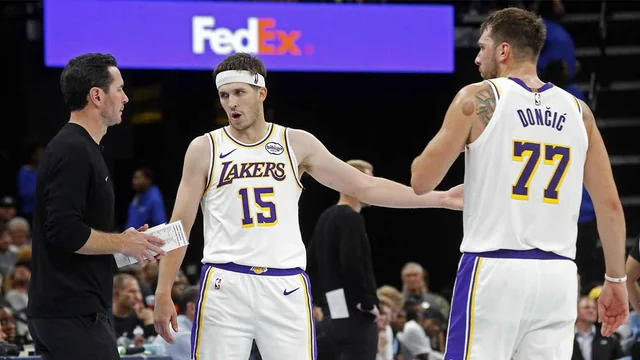
Replacement Strategy and Team Adjustments
The Lakers are expected to rotate multiple guards to cover the gap left by Austin Reaves injury. This includes increased minutes for bench players and more responsibility for primary ball handlers to manage offensive flow.
Coaching staff may also adjust pace and spacing strategies, focusing on half-court execution. The goal is to reduce turnovers and maintain scoring consistency while waiting for Reaves to return to full fitness.
Bench Contribution Importance
Bench players must step up in scoring and defensive intensity to compensate for the missing production. Their performance will directly influence how competitive the Lakers remain during his recovery phase.
Fantasy Basketball and Betting Impact
The Austin Reaves injury has immediate consequences in fantasy basketball leagues, where managers rely on his consistent scoring and assists. His absence lowers team value and forces lineup adjustments across multiple formats.
From a betting perspective, Lakers game totals and spreads may shift due to reduced backcourt efficiency. Analysts often adjust predictions based on missing key rotation players like Reaves.
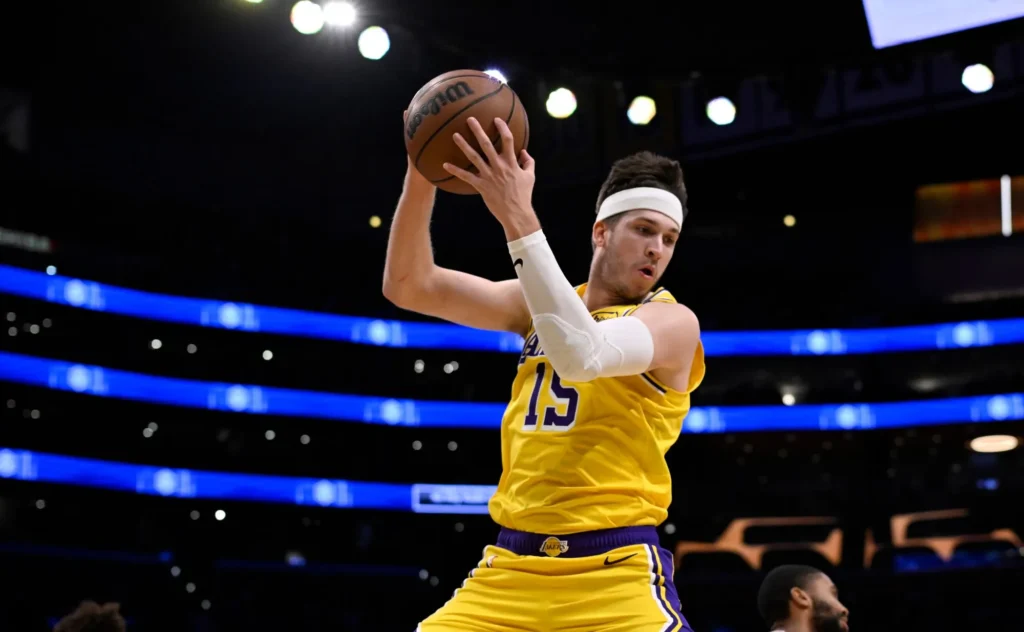
Latest Updates and Return Outlook
Current updates on Austin Reaves injury suggest a cautious recovery plan with no fixed return date. The Lakers are monitoring his progress through daily treatment and light training sessions before clearing him for full contact practice.
His return will depend on pain-free movement and medical clearance. The team is expected to reintegrate him gradually to avoid re-injury risks and ensure full performance readiness before playoff-level intensity.
FAQ
What is Austin Reaves’ injury?
He is dealing with an oblique muscle strain affecting his core movement and shooting.
Recovery depends on severity and medical response.
How did Austin Reaves get injured?
He suffered contact during a drive to the basket in an NBA game.
The impact led to immediate discomfort and exit from play.
How long will he be out?
Recovery may range from a few weeks to over a month.
It depends on strain grade and rehab progress.
How does this affect the Lakers?
The team loses a key scorer and playmaker in the backcourt.
Rotations and offensive roles must be adjusted.
When will he return?
There is no fixed date yet from medical staff.
Return depends on full recovery and clearance.
Also Read: Taylor Swift Engagement Ring
You may also like

Leave a Reply