
Young Michael Caine: Early Life, Military Service, Breakthrough Roles, and Rise to Fame
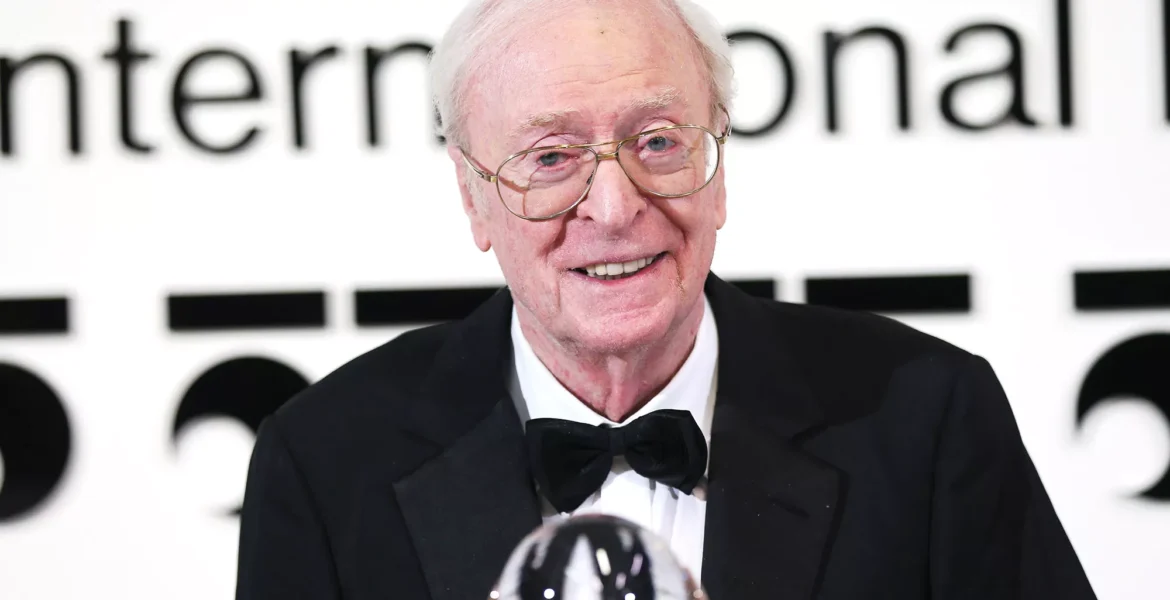
Before he became one of Britain’s most respected actors, young Michael Caine was a determined young man from South London with dreams far bigger than his circumstances. Growing up in a working-class family, he overcame financial struggles, military service, and years of rejection before finding success on the big screen. His early life shaped the confidence, resilience, and distinctive style that later made him a Hollywood icon. From his childhood to his first acting jobs, every stage of his journey offers valuable insight into how talent and perseverance can change a person’s life. This guide explores his youth, career beginnings, and the experiences that built his legendary reputation.
Who Was Young Michael Caine?
Young Michael Caine was born Maurice Joseph Micklewhite Jr. on March 14, 1933, in South London, England. Raised in modest surroundings, he experienced the hardships of the Great Depression and World War II, which taught him resilience from an early age. These experiences later influenced the authenticity he brought to many film roles.
Despite facing financial limitations, Caine remained determined to build a better future. He developed an interest in storytelling and acting while still young, often finding inspiration in films and theatre. His ambition and willingness to work hard eventually helped him stand out in Britain’s competitive entertainment industry.
Childhood and Family Background
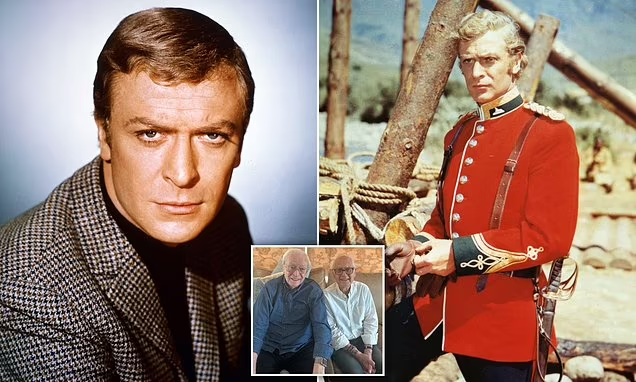
Michael Caine grew up in the London district of Rotherhithe with his parents and younger brother. His father worked as a fish market porter, while his mother held various jobs to support the family. Although money was limited, his parents encouraged determination and responsibility, values that stayed with him throughout his career.
Growing Up During World War II
Like many British children, Caine’s childhood was heavily affected by World War II. He experienced evacuation from London during the Blitz, witnessed the impact of wartime hardships, and adapted to uncertain living conditions. These early experiences gave him emotional strength and later helped him portray realistic and relatable characters on screen.
Education and Early Ambitions
Michael Caine attended Hackney Downs School but left formal education as a teenager. Instead of pursuing university studies, he focused on finding work and helping support his family. Although acting seemed like an unlikely career, he remained fascinated by films and dreamed of becoming an actor.
During his teenage years, Caine explored different opportunities while developing confidence in public speaking and performance. Every small experience strengthened his determination, proving that persistence could overcome limited resources and a lack of industry connections.
Discovering a Passion for Acting
Caine’s interest in acting grew through local theatre productions and cinema visits. Watching accomplished performers inspired him to believe that acting could become more than just a hobby. He began studying performances carefully, learning how experienced actors used voice, timing, and emotion to captivate audiences.
Early Jobs Before Acting
Before entering the entertainment industry, Michael Caine worked several ordinary jobs to earn a living. These included office work and manual labor, experiences that helped him understand everyday people. Later, this practical life experience became one of the defining qualities of his natural acting style.
Military Service and Life Lessons
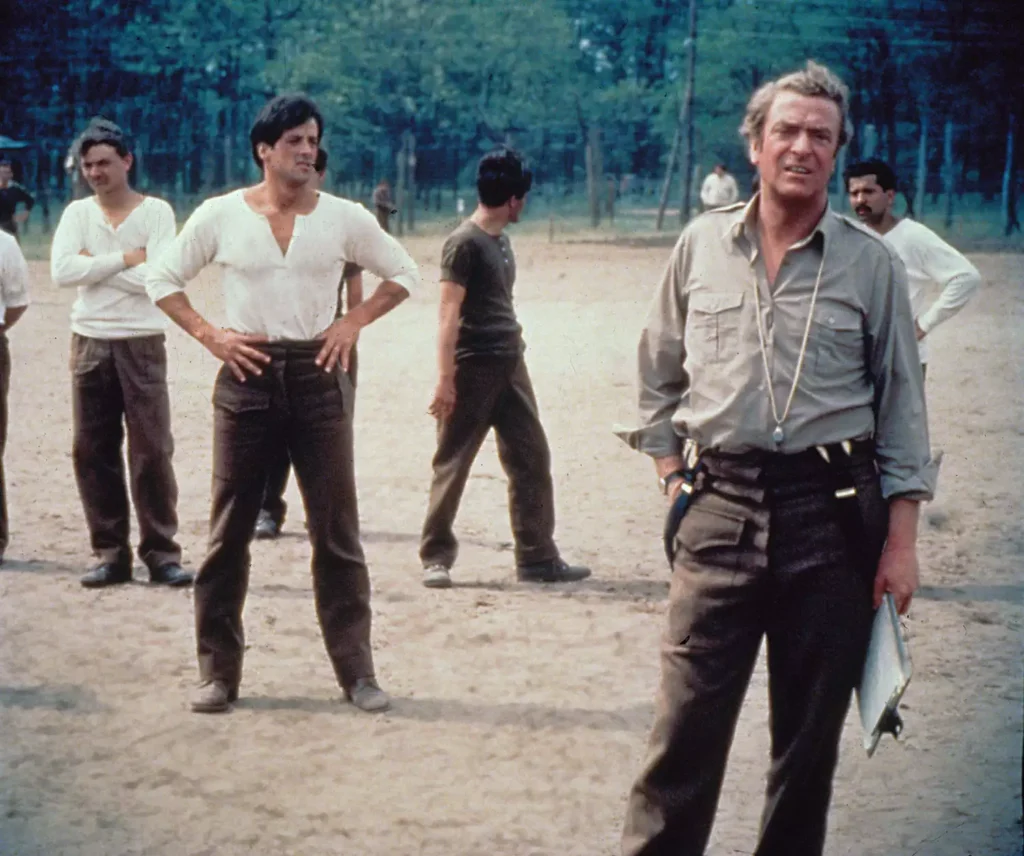
Before achieving success as an actor, Michael Caine completed mandatory military service with the British Army during the Korean War era. Although he did not become a career soldier, the experience taught him discipline, responsibility, and resilience. These qualities later became essential throughout his demanding acting career.
Military life exposed Caine to different cultures and challenging situations, helping him mature quickly. He has often spoken about how those years shaped his outlook on life, strengthened his confidence, and prepared him to face rejection while pursuing opportunities in the entertainment industry.
Serving in the British Army
Michael Caine served in the British Army after being called up for National Service in the early 1950s. He trained as an infantry soldier and spent time stationed overseas. The experience broadened his perspective and instilled habits of punctuality, professionalism, and determination.
How Military Life Influenced His Acting
The discipline Caine learned during military service translated naturally into his acting career. He approached auditions, rehearsals, and film sets with professionalism, earning respect from directors and fellow actors. His calm, confident presence became one of his signature strengths.
The Beginning of His Acting Career
After leaving the Army, Michael Caine decided to pursue acting full-time. Like many aspiring performers, he faced years of uncertainty, taking small theatre roles and television appearances while working hard to improve his craft. Success did not come overnight, but his determination never faded.
During this period, he developed his unique screen presence and distinctive voice. Casting directors gradually noticed his talent, leading to better opportunities that helped establish him as one of Britain’s most promising young actors.
Changing His Name to Michael Caine
Born Maurice Joseph Micklewhite Jr., he adopted the professional name “Michael Caine” early in his career. The name was chosen quickly when an agent requested a stage name, and it remained with him throughout his remarkable career. It soon became one of the most recognizable names in cinema.
Early Theatre and Television Roles
Before starring in major films, Caine appeared in numerous theatre productions and television dramas. These performances allowed him to refine his acting skills, gain confidence, and build valuable industry connections. Every role, no matter how small, contributed to his steady professional growth.
The Breakthrough That Changed Everything
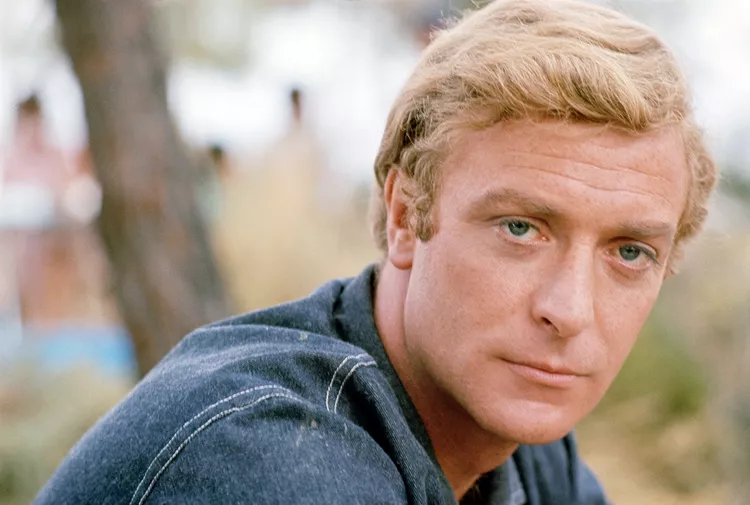
Michael Caine’s career reached a turning point during the 1960s when filmmakers recognized his charisma and natural acting ability. His performances offered something different from traditional leading men, making him relatable to audiences across Britain and eventually around the world.
Rather than relying on glamour alone, Caine impressed viewers with believable performances and understated confidence. His rise reflected changing social attitudes, as audiences embraced actors who represented ordinary people achieving extraordinary success.
The Role That Made Him a Star
His breakthrough came with Zulu (1964), where he attracted significant attention despite not having the leading role. Soon afterward, The Ipcress File and Alfie transformed him into an international star. These films showcased his versatility and established him among Britain’s finest actors.
Why Young Michael Caine Stood Out
Unlike many actors of his generation, young Michael Caine brought authenticity to every performance. His working-class background, distinctive Cockney accent, and effortless confidence helped him connect with audiences. Instead of imitating established stars, he created a style that was entirely his own, influencing generations of actors who followed.
Young Michael Caine’s Most Memorable Early Films
The success of Michael Caine during the 1960s marked the beginning of one of cinema’s most remarkable careers. His performances combined confidence, humor, intelligence, and emotional depth, allowing him to play a wide variety of characters while remaining believable and relatable.
These early films not only entertained audiences but also established Caine as a leading figure in British cinema. Many of them continue to be recommended today because they capture the charisma and acting style that made him a lasting Hollywood legend.
Zulu (1964)
Although Zulu featured an ensemble cast, Michael Caine’s performance as Lieutenant Gonville Bromhead introduced him to international audiences. The film’s success gave producers confidence that he could handle larger roles and opened the door to major career opportunities.
The Ipcress File (1965)
Playing intelligence officer Harry Palmer, Caine created a refreshingly realistic spy character. Unlike glamorous secret agents of the era, Palmer was practical, witty, and relatable, making the film both commercially successful and critically respected.
Alfie (1966)
Alfie became one of the defining films of Michael Caine’s career. His charismatic performance earned widespread praise and introduced him to audiences across the United States and beyond. The film also received several award nominations, further strengthening his international reputation.
Why Young Michael Caine Remains Popular Today
Interest in young Michael Caine continues because his early story represents determination, resilience, and authentic talent. Fans admire how he transformed humble beginnings into an extraordinary career without losing his natural personality or distinctive acting style.
Vintage photographs, classic films, and interviews have introduced new generations to his early years. Many people enjoy comparing his youthful appearance with his later career, appreciating how his confidence and charm remained consistent throughout decades in the entertainment industry.
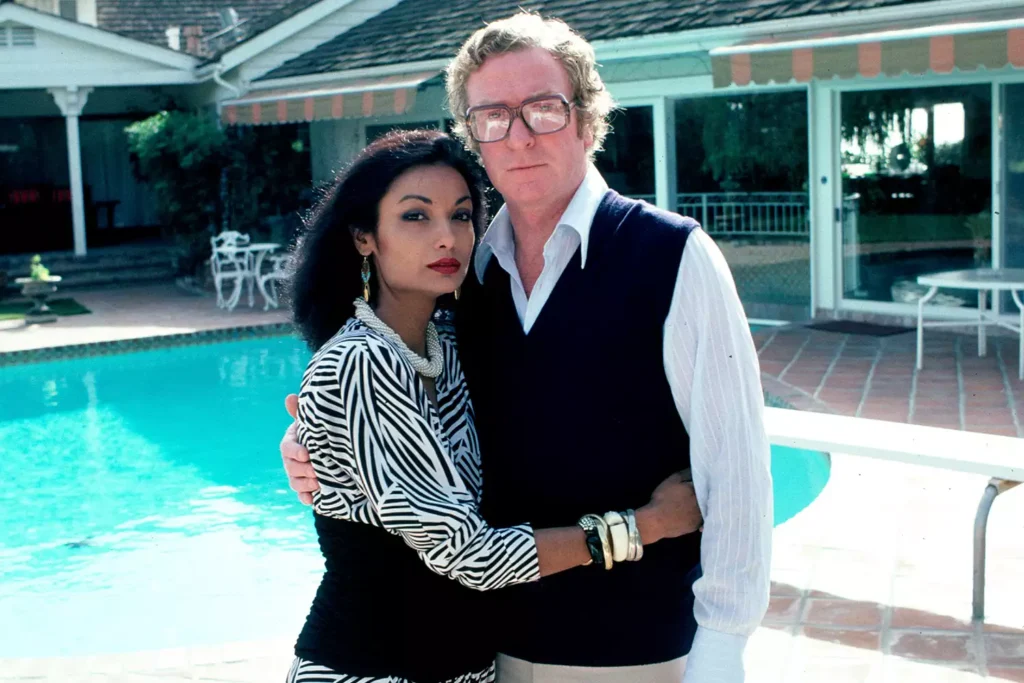
Rare Photos and Public Interest
Rare photographs of young Michael Caine continue to attract attention online and in magazines. These images capture different stages of his life, from military service and theatre performances to his first years as a successful film actor, giving fans a fascinating glimpse into his journey.
His Lasting Influence on Actors
Many modern actors credit Michael Caine as an inspiration because of his natural acting technique and professional work ethic. His performances demonstrate that authenticity often creates a stronger emotional connection with audiences than exaggerated or theatrical acting styles.
Young Michael Caine at a Glance
| Detail | Information |
|---|---|
| Birth Name | Maurice Joseph Micklewhite Jr. |
| Date of Birth | March 14, 1933 |
| Birthplace | Rotherhithe, South London, England |
| Nationality | British |
| Early Occupation | Various jobs before acting |
| Military Service | British Army (National Service) |
| Breakthrough Film | Zulu (1964) |
| International Success | The Ipcress File and Alfie |
| Known For | Natural acting, versatility, distinctive voice |
Frequently Asked Questions
Who was young Michael Caine?
Young Michael Caine was an aspiring British actor who grew up in South London.
His determination and talent helped him become one of cinema’s greatest stars.
What was Michael Caine’s real name?
His birth name was Maurice Joseph Micklewhite Jr.
He later adopted Michael Caine as his professional stage name.
Did Michael Caine serve in the military?
Yes, he completed National Service with the British Army.
The experience shaped his discipline and professional attitude.
Which movie made Michael Caine famous?
Zulu introduced him to wider audiences, while Alfie made him an international star.
Both films played key roles in launching his successful career.
Why is young Michael Caine still popular?
People admire his inspiring life story, memorable performances, and timeless screen presence.
His early films continue to attract audiences in both the UK and the USA.
Conclusion
The story of young Michael Caine is one of perseverance, talent, and determination. From a modest childhood in South London to becoming one of Britain’s most celebrated actors, his early experiences shaped the remarkable career that followed. His military service, dedication to acting, and unforgettable performances in films like Zulu, The Ipcress File, and Alfie continue to inspire audiences worldwide. Decades later, his youthful journey remains just as fascinating as his legendary achievements, proving that hard work and resilience can turn even the biggest dreams into reality.
Also Read: Shakira Height
You may also like

Denzel Washington Movies: 20 Must-Watch Films and Career Highlights

Leave a Reply